
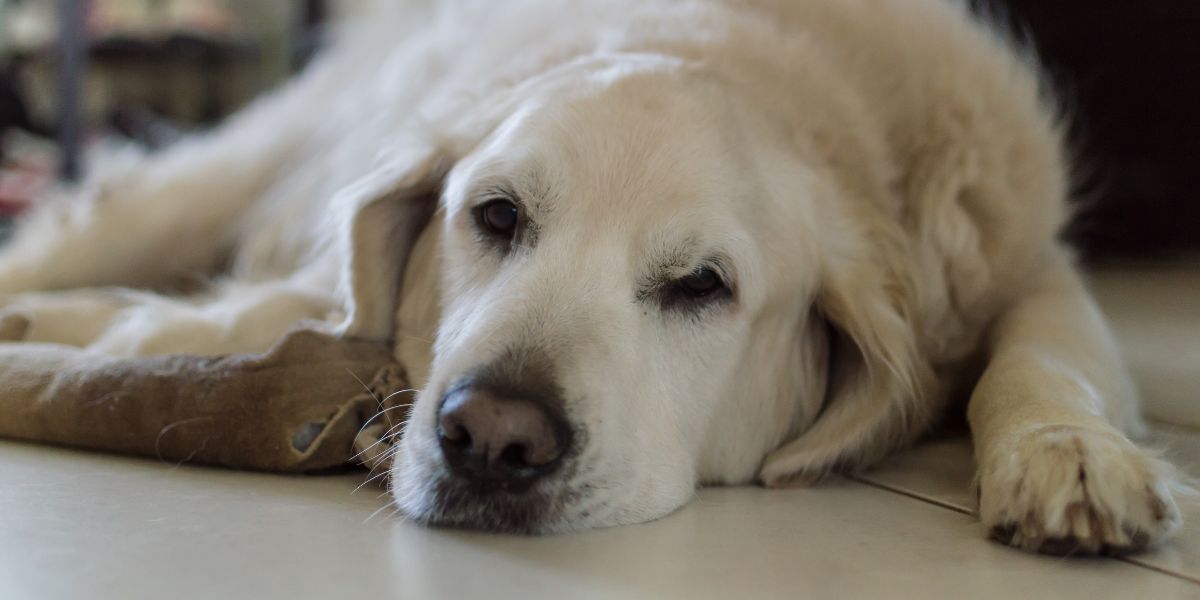
My dog circles the children in the backyard with intense focus, nudging them gently when they scatter too far apart. He never growls, and he never bites, yet his body language carries purpose. Watching him maneuver like a seasoned ranch hand in the middle of a suburban lawn made me realize that something much older than our household rules was guiding his behavior.
At first glance, this circling and steering can seem amusing or even slightly annoying. Parents sometimes laugh it off, assuming the dog is simply being playful. Over time, though, I began to see that this behavior wasn’t random at all.
Exploring breed instincts explained: why your dog herds the kids opened my eyes to the powerful genetic forces shaping everyday actions. Beneath the wagging tail and bright eyes lies a lineage built for control, movement, and cooperation with humans.
The Deep Roots Of Herding Behavior
Herding is not a trick dogs invent on their own. It is a behavior carefully shaped over centuries of selective breeding. Farmers relied on dogs to manage sheep, cattle, and other livestock, often across vast and unpredictable landscapes.
Breeds like the Border Collie were developed specifically for their ability to control movement with precision. These dogs possess an intense gaze, often called the eye, which helps them influence animals without physical force. That same stare can appear in the backyard when children start running in different directions.
Living with a dog from herding lineage means sharing space with instincts designed for coordination and control. Those instincts do not disappear simply because the pasture has been replaced by a playground.
Movement Triggers The Instinct
Fast, erratic movement is one of the strongest triggers for herding behavior. Children running, squealing, and changing direction mimic the unpredictable motion of livestock. To a herding dog, that energy activates deeply embedded neurological pathways.
The Australian Shepherd, for instance, was bred to respond instantly to shifting patterns in a flock. That responsiveness remains intact even in family settings. When kids dart across the yard, the dog’s brain reads it as a cue to organize the chaos.
Breed instincts explained: why your dog herds the kids becomes clearer when I observe these moments. My dog is not trying to dominate or misbehave; he is responding to movement in the only way his genetics have prepared him to.
The Role Of Eye, Stalk, And Chase
Herding behavior typically follows a sequence. First comes the eye, an intense visual focus on the moving target. Then comes the stalk, a low, deliberate approach designed to influence direction. Finally, there may be a controlled chase meant to guide rather than capture.
These patterns mirror predatory sequences found in wild canines. Selective breeding modified the sequence by minimizing the bite and kill phases, preserving only the control aspects. The result is a dog that wants to manage movement without causing harm.
Watching my dog crouch slightly and pivot as the kids scatter, I can see that sequence unfold. The behavior feels ancient, almost rehearsed, even though he has never seen a sheep in his life.
Nipping And Heel Bumping
Some herding dogs escalate to gentle nipping or bumping when excitement rises. This behavior is often misunderstood as aggression. In reality, it reflects a method used to keep livestock in line.
The Pembroke Welsh Corgi historically worked by nipping at the heels of cattle. That quick contact encouraged animals to move forward without inflicting serious injury. When children run away laughing, a corgi may instinctively attempt the same strategy.
Breed instincts explained: why your dog herds the kids includes recognizing that nipping is rarely about hostility. It is about control and redirection, though it still requires careful management in a family environment.
Intelligence And Problem Solving
Herding breeds are not only physically agile but mentally sharp. They were selected for independent decision-making in complex environments. A shepherd could not micromanage every move, so the dog had to anticipate problems and act accordingly.
The Shetland Sheepdog exemplifies this trait with remarkable alertness and responsiveness. These dogs often try to predict where children will run next, positioning themselves strategically. That foresight can feel almost uncanny.
Living alongside such intelligence demands engagement. Without mental stimulation, herding instincts may intensify in less productive ways.
Energy Levels And Unmet Needs
High energy is another hallmark of many herding breeds. Generations of work in open fields required stamina and endurance. Modern suburban life does not always provide comparable outlets.
When physical and mental energy builds without release, herding behavior can become more pronounced. Children often become the most dynamic moving targets available. The dog’s brain seizes the opportunity to channel unused drive.
Breed instincts explained: why your dog herds the kids also highlights the importance of structured exercise. Long walks, agility training, and puzzle games help satisfy the same instincts that once served on farms.
Social Bonding And Teamwork
Herding dogs were bred to collaborate closely with humans. They watched subtle cues from shepherds and responded instantly. That partnership fostered deep bonds and heightened sensitivity to human behavior.
In a family setting, children become part of the perceived flock. The dog’s urge to keep everyone together reflects a desire for order and cohesion. It can feel protective, though the underlying motive is organization rather than defense.
Observing my dog gently guiding kids back toward the center of the yard, I sense that cooperative instinct at work. He is participating in the activity the only way he knows how.
Differences Between Herding And Guarding
It is important to distinguish herding from guarding. Guarding breeds like the German Shepherd may display protective behaviors tied to territory or loyalty. Herding behaviors, by contrast, revolve around movement and direction.
A herding dog may circle and steer without showing signs of suspicion or hostility. The motivation is not to repel outsiders but to control motion. Recognizing this distinction prevents mislabeling normal instinct as aggression.
Breed instincts explained: why your dog herds the kids becomes less alarming when I separate intention from appearance. The dog is not policing the family; he is organizing it.
Managing The Behavior At Home
Allowing herding to run unchecked can lead to frustration for both dog and family. Clear boundaries help the dog understand when the behavior is appropriate and when it is not. Positive reinforcement training can redirect the instinct toward structured activities.
I have found that teaching alternative commands during playtime makes a significant difference. Redirecting focus to a toy or calling the dog away before excitement peaks prevents escalation. Consistency keeps the behavior manageable without suppressing the dog’s nature.
Breed instincts explained: why your dog herds the kids also emphasizes adaptation. Instead of trying to erase instinct, I channel it into healthy outlets.
The Influence Of Genetics
Genetics sets the baseline for these behaviors. Selective breeding embedded neural patterns that activate automatically in response to specific stimuli. Those pathways remain intact even in dogs generations removed from farm work.
Not all individuals within a breed express herding behavior equally. Variation exists based on lineage, environment, and temperament. Still, the genetic framework often remains strong enough to surface under the right conditions.
Watching a puppy demonstrate herding tendencies without formal training convinces me how deeply rooted these traits are. Instinct does not require instruction.
When Herding Becomes A Concern
Occasional circling or nudging may be harmless, but persistent chasing or forceful nipping requires attention. Safety for children must always come first. Professional guidance from trainers familiar with herding breeds can help refine responses.
Providing consistent structure reduces confusion. Dogs thrive when expectations are clear and routines predictable. Balanced socialization also helps them differentiate between playful chaos and situations requiring calm behavior.
Breed instincts explained: why your dog herds the kids includes acknowledging responsibility. Instinct explains behavior, but management ensures harmony.
Celebrating The Heritage
Despite occasional challenges, I find beauty in watching instinct unfold. Seeing my dog respond to movement with precision connects our modern life to rural history. It reminds me that domestication did not erase the original purpose of these breeds.
Herding is not a flaw; it is a legacy. Those traits once supported entire communities by managing livestock efficiently. Today, they add complexity and character to family pets.
Living with a herding dog means honoring that heritage while guiding it appropriately. The balance between respect and redirection defines our daily rhythm.
Final Thoughts
Children running across a yard may look like simple play, yet to a herding dog it can resemble a scattered flock needing guidance. Breed instincts explained: why your dog herds the kids reveals how centuries of selective breeding still influence modern households. Movement triggers neural patterns shaped long before suburban fences existed.
Recognizing the genetic roots behind these behaviors transforms frustration into empathy. Instead of scolding instinct, I focus on shaping its expression. Exercise, training, and clear boundaries allow natural tendencies to coexist with family life.
Living with a herding dog offers a daily glimpse into history written in DNA. Those circling movements and intense gazes are reminders that instinct runs deep. With patience and awareness, I can celebrate that legacy while ensuring harmony in the present.
