
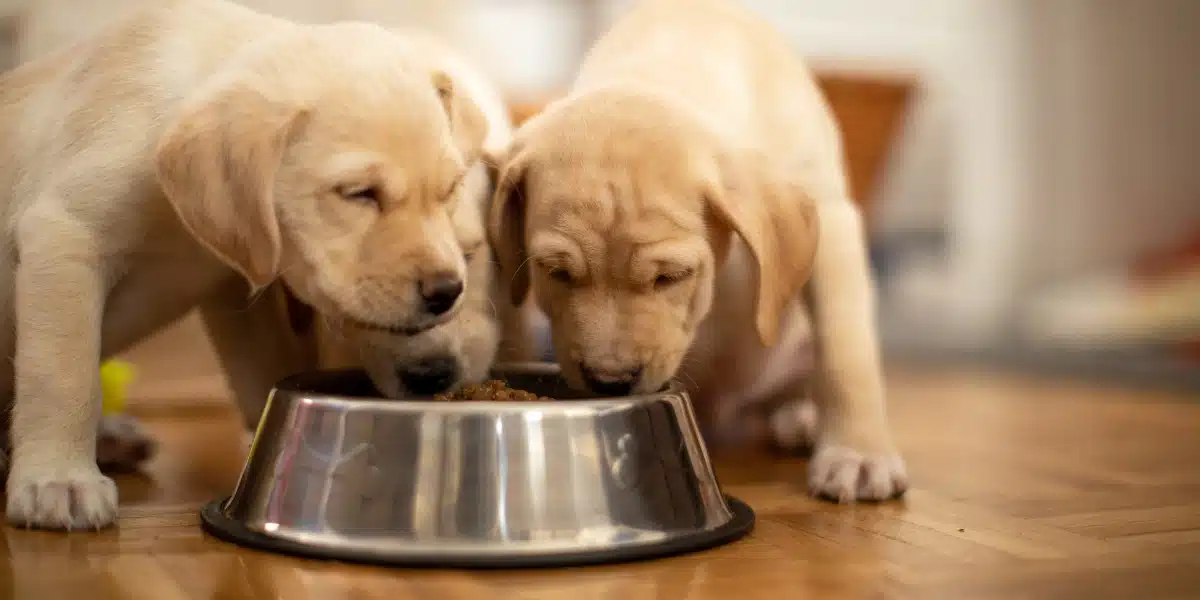
Bringing a puppy into my life has always felt like opening the door to joyful chaos. Tiny paws move faster than I expect, curious noses explore every corner, and sharp little teeth test the durability of everything within reach. That energy is beautiful, but it demands preparation. Before the excitement takes over, I make sure my space is ready for the responsibility that comes with a growing, learning companion.
Preparing your home for a new puppy is not about perfection. It is about safety, structure, and setting the tone for the habits that will follow. Puppies are observant, sensitive, and deeply influenced by their environment. The way I arrange my home in those first few days shapes how smoothly we transition into life together.
Puppy-Proofing Every Room
I start with a slow walk through each room, looking at my home from a puppy’s eye level. Anything dangling, chewable, or swallowable suddenly looks like a toy. Electrical cords, loose rugs, decorative items on low shelves, and even houseplants can quickly become hazards. I secure cords against walls, remove fragile decorations, and research which plants might be toxic.
Cabinets that contain cleaning products or medications need special attention. Puppies explore with their mouths, and even a small amount of household chemicals can cause serious harm. I install simple childproof latches where necessary and move dangerous items to higher storage spaces. It takes a few hours to go through the house thoroughly, but that effort brings peace of mind.
Trash bins are another overlooked danger. The smell of leftover food is irresistible to a puppy, and rummaging through garbage can lead to choking or digestive issues. I use bins with secure lids or store them behind closed doors. Preparing your home for a new puppy includes thinking ahead to prevent problems before they happen.
Creating a Safe Resting Area
A puppy needs a designated place to rest, separate from the constant movement of the household. I choose a quiet corner that is not isolated but also not in the middle of heavy foot traffic. That space becomes their retreat when they feel overwhelmed or tired.
A comfortable bed with washable covers is essential. Puppies have accidents, and easy cleaning saves frustration. I place the bed away from direct drafts or intense sunlight to ensure it stays cozy throughout the day. Over time, this resting area becomes associated with calmness and security.
Crate training can also be part of preparing your home for a new puppy. When introduced positively, a crate serves as a safe den rather than a punishment space. I make it inviting with soft bedding and perhaps a durable chew toy, never forcing the puppy inside. Gradual introduction builds trust and helps with house training.
Setting Up Feeding Stations
Food and water bowls need a stable, accessible location. I prefer a spot with easy-to-clean flooring, such as tile or laminate, because puppies are messy eaters. Spilled water and scattered kibble are part of the process, and I plan for that rather than getting frustrated.
Consistency is important from day one. Feeding at the same times daily helps regulate digestion and supports house training. I measure portions carefully based on veterinary guidance, avoiding the temptation to overfeed simply because the puppy looks eager.
Clean water must always be available. I rinse and refill bowls daily to prevent bacteria buildup. Preparing your home for a new puppy also means committing to routines that promote long-term health.
Establishing a Potty Plan
House training does not begin after the puppy arrives. It begins before they step through the door. I decide in advance where potty breaks will happen, whether that is a specific patch of grass outside or a designated indoor pad area for apartments.
If I have a yard, I inspect fencing for gaps and secure any loose boards. Puppies can squeeze through surprisingly small spaces. I also remove harmful debris and check for sharp objects that could injure delicate paws.
Inside the home, I keep cleaning supplies ready for inevitable accidents. Enzyme-based cleaners are particularly effective at removing odors that might otherwise encourage repeat marking. Preparing your home for a new puppy involves patience, structure, and accepting that mistakes are part of the learning curve.
Managing Cables and Small Objects
Puppies chew to explore and to soothe teething discomfort. Cables, phone chargers, and headphones look like perfect chew toys from their perspective. I bundle cords together, use protective covers, or lift them completely out of reach.
Small items like coins, rubber bands, and children’s toys pose choking risks. I sweep floors thoroughly and encourage everyone in the household to be mindful about what they leave behind. It becomes a team effort.
Shoes often attract curious puppies because they carry the comforting scent of their owner. I store footwear in closed closets or high shelves. This simple adjustment prevents both damage and confusion during training.
Planning for Play and Exercise
A puppy’s energy can feel endless. Without an outlet, that energy may turn into destructive behavior. I carve out a specific area for play, whether indoors or in the yard, where the puppy can move freely and safely.
Durable toys designed for puppies are essential. I rotate toys to maintain interest and inspect them regularly for wear and tear. Broken toys can become hazards if pieces are swallowed.
Playtime also strengthens our bond. I make space not only physically but emotionally, setting aside dedicated time each day for interaction. Preparing your home for a new puppy is not just about objects and furniture; it is about carving room in my schedule.
Introducing Boundaries Early
Clear boundaries prevent confusion. If certain rooms are off-limits, I use baby gates to block access rather than relying on constant verbal correction. Physical barriers make expectations obvious.
Furniture rules should also be decided in advance. Allowing a puppy on the couch one day and scolding them the next creates mixed signals. I choose a consistent approach and communicate it to everyone in the household.
Consistency reduces stress for both of us. Puppies thrive when they know what to expect, and my preparation lays that foundation.
Preparing Other Pets
If I already have pets, their comfort matters too. I set up separate feeding areas to avoid competition and ensure each animal has a private retreat space. Gradual introductions prevent overwhelm.
Scent swapping can ease the transition. I allow the resident pet to smell a blanket the puppy has used before they meet face to face. Controlled, supervised meetings help establish a peaceful dynamic.
Preparing your home for a new puppy means considering the entire household ecosystem. Balanced introductions reduce jealousy and tension.
Stocking Essential Supplies
Before bringing a puppy home, I gather the basics. Collar, leash, identification tag, grooming tools, food, treats, waste bags, and a first aid kit all need to be ready. Scrambling for supplies on the first night adds unnecessary stress.
I also research a trusted veterinarian and schedule an initial checkup. Having that appointment set gives me reassurance and ensures vaccinations and health screenings stay on track.
Emergency contacts are saved in my phone. Quick access to professional help is part of responsible ownership.
Minimizing Noise and Stress
The first few days in a new home can be overwhelming for a puppy. I keep noise levels moderate and avoid hosting large gatherings right away. Calm environments encourage confidence.
Soft lighting in the evening and predictable daily rhythms help the puppy settle in. Loud televisions or sudden bursts of noise can startle them, especially during sleep.
Preparing your home for a new puppy includes preparing the atmosphere. A calm setting supports smoother adjustment.
Securing Outdoor Spaces
If I have a balcony, I check railing gaps to ensure a curious puppy cannot slip through. For yards, sturdy fencing is non-negotiable. Gates must close securely every time.
I also consider shade and shelter. Puppies are sensitive to extreme temperatures, and safe outdoor time requires protection from intense sun or heavy rain.
Water sources like pools or ponds require barriers. Even shallow water can pose risks to an inexperienced pup.
Organizing Training Tools
Positive reinforcement works best when tools are within reach. I keep treats in small containers around the house during the first few weeks. Quick rewards reinforce desired behaviors immediately.
Clickers or training markers can also be placed strategically. The easier it is for me to respond in the moment, the faster the puppy learns.
Preparing your home for a new puppy means setting myself up for success as much as setting them up. Convenience encourages consistency.
Child Safety and Supervision
If children live in the home, preparation includes conversation. I explain how to handle the puppy gently and respect their space during meals and sleep. Supervision is constant during early interactions.
Children need guidance on recognizing signs of stress in a puppy. Growling, retreating, or stiff body language are signals that space is needed. Teaching empathy benefits both child and animal.
Creating safe zones for the puppy ensures they have a place to retreat when play becomes too energetic.
Protecting Floors and Furniture
Accidents are inevitable during house training. I use washable rugs or temporarily roll up expensive carpets. Furniture covers protect against scratches and fur.
Cleaning supplies stay easily accessible but out of reach. Quick responses prevent stains from setting and reduce lingering odors.
Preparing your home for a new puppy requires accepting that perfection may take a temporary pause. Flexibility makes the process smoother.
Establishing Nighttime Routines
Night can be challenging for a puppy separated from their littermates. I place their sleeping area near my bedroom initially, offering reassurance without creating dependency.
Late evening potty breaks reduce overnight accidents. Gradually, I extend the time between breaks as bladder control improves.
Consistency each night builds security. Over time, the puppy learns that bedtime is predictable and safe.
Planning for Alone Time
Even if I work from home, I prepare the puppy for short periods of separation. Gradual exposure to alone time prevents separation anxiety from forming.
I leave safe toys or enrichment puzzles to occupy them. Departures and arrivals remain calm to avoid dramatic emotional spikes.
Preparing your home for a new puppy includes preparing them for independence in small, manageable steps.
Final Thoughts
Preparing your home for a new puppy requires intention, patience, and honest reflection about lifestyle changes. I have learned that preparation reduces stress and prevents many common challenges from escalating. By securing hazards, setting routines, and creating safe spaces, I give my puppy the best possible start.
The early days can feel overwhelming, but thoughtful groundwork makes a lasting difference. A well-prepared home allows me to focus on bonding, training, and enjoying those fleeting puppy months. With care and structure in place, the transition becomes less chaotic and far more rewarding for both of us.
