
Busy weeks have a way of sneaking up on me. Meetings stretch longer than planned, errands stack up, and before I know it, the day feels shorter than it should. During those seasons, I start noticing subtle changes in my dog’s behavior. Extra pacing, more intense bursts of energy in the evening, and a look that seems to ask why our usual rhythm has shifted.
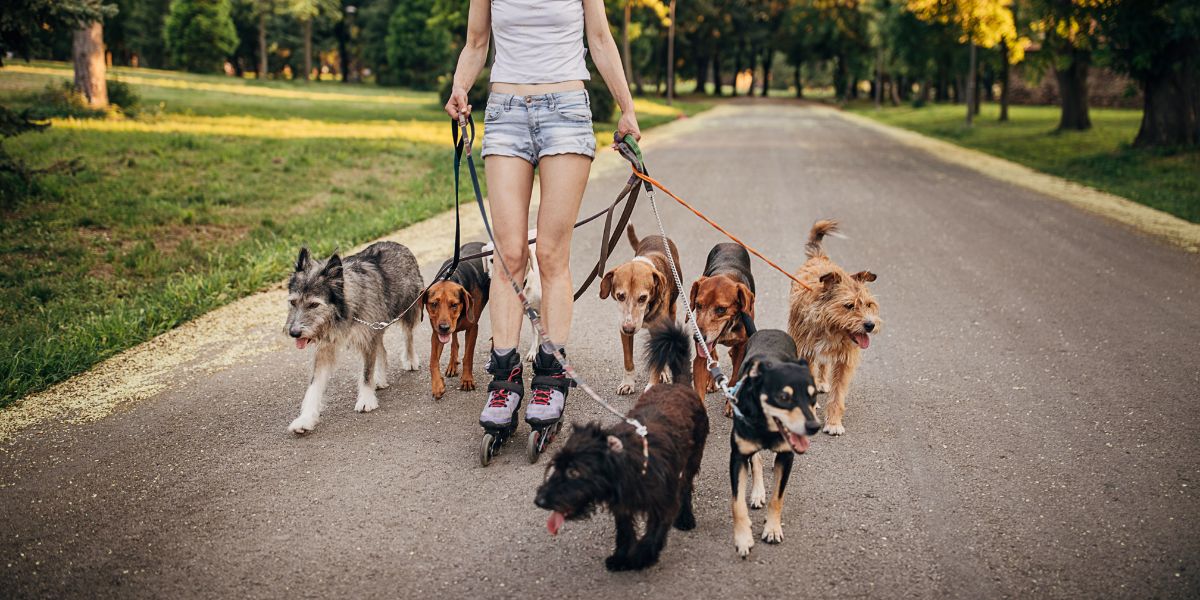
When to Hire a Dog Walker or Pet Sitter becomes a real question in moments like that. It is not about replacing my role in my pet’s life. It is about recognizing when outside support can protect their wellbeing and preserve the balance in our home.
Signs Your Schedule Is No Longer Working
One of the first clues that I might need help is a change in my own consistency. If walks are getting shorter or pushed later into the evening more than once in a while, that tells me something. Dogs thrive on routine, and repeated disruptions can lead to stress.
I also pay attention to behavioral signals. Destructive chewing, excessive barking, or accidents in the house can indicate unmet needs. These are not acts of defiance but expressions of frustration or boredom.
Fatigue on my end matters too. If I feel constantly rushed and resentful of time pressure, that energy transfers to my pet. Hiring help can restore calm rather than allowing tension to build.
Long Work Hours And Commutes
Extended workdays create one of the most common reasons to seek assistance. If I am gone ten or more hours regularly, my dog’s day becomes very long and quiet. Even with toys and enrichment, that stretch can feel isolating.
A midday walk breaks up the monotony. It provides physical relief, mental stimulation, and human interaction. I have seen how even a 30-minute visit can dramatically improve evening behavior.
When to Hire a Dog Walker or Pet Sitter often becomes clear during demanding career phases. Instead of feeling guilty about time away, I focus on building a support system that ensures my pet’s needs are met.
Travel And Overnight Absences
Travel introduces a different layer of complexity. Leaving a pet alone overnight is rarely a good option, especially for dogs. While some cats can manage short solo stretches, extended absences require planning.
In-home pet sitters allow animals to remain in familiar surroundings. That stability reduces anxiety and avoids the stress some pets experience in boarding facilities. I value that sense of continuity when I cannot be present.
Regular updates from a sitter also ease my own mind. Knowing that meals, medications, and companionship are handled responsibly allows me to focus on my trip without constant worry.
Puppies And High-Energy Dogs
Young dogs demand frequent potty breaks and structured socialization. During puppyhood, holding it for long hours is not realistic. Midday visits prevent accidents and reinforce training consistency.
High-energy breeds also benefit from additional exercise. Even if I manage morning and evening walks, a midday outing can prevent pent-up energy from spilling into destructive habits. Balanced activity leads to calmer evenings.
When to Hire a Dog Walker or Pet Sitter becomes less about convenience and more about developmental needs during these stages. Extra support can protect training progress and promote healthy growth.
Senior Pets With Special Needs
Aging pets often require more attentive care. Medication schedules, mobility challenges, and dietary adjustments complicate daily routines. If my schedule conflicts with those needs, I consider outside help.
Short visits to administer medication or assist with bathroom breaks can prevent discomfort. Senior animals deserve comfort and dignity, even when my availability fluctuates.
Professional caregivers with experience in senior pet care provide reassurance. Their knowledge can make a meaningful difference in quality of life.
Health Recovery Periods
Post-surgery recovery or illness changes everything. Restricted movement, medication timing, and close monitoring may be necessary. Balancing that level of care with work responsibilities can feel overwhelming.
In those moments, bringing in a pet sitter becomes a practical solution rather than a luxury. Having someone observe behavior and report changes provides peace of mind. Early detection of complications can make a significant difference.
When to Hire a Dog Walker or Pet Sitter often reveals itself during these vulnerable periods. Extra support ensures healing progresses smoothly.
Managing Life Transitions
Major life changes disrupt established routines. Moving to a new home, welcoming a baby, or starting a new job shifts focus and energy. Pets feel those changes immediately.
Temporary assistance can ease transitions. A familiar walker visiting during a chaotic week offers consistency amid uncertainty. That stability prevents behavioral regression.
I have found that short-term help during transitions protects long-term harmony. Once routines settle, I reassess whether continued support is necessary.
Behavioral Challenges And Socialization
Some dogs benefit from exposure to different handlers and environments. Professional walkers often bring experience in managing leash reactivity or social anxiety. Structured walks can reinforce training goals.
In multi-dog households, individual attention may also be beneficial. Separate walks reduce competition and allow personalized pacing. That tailored approach improves overall behavior.
When to Hire a Dog Walker or Pet Sitter sometimes connects to broader training objectives. Collaboration with professionals can complement my own efforts.
Personal Burnout And Self-Care
Pet ownership carries responsibility, but it should not lead to exhaustion. If I feel physically drained or emotionally stretched thin, I evaluate whether temporary help could restore balance.
Self-care indirectly benefits pets. A rested owner interacts more patiently and attentively. Hiring support does not signal failure; it demonstrates proactive care.
Acknowledging limits protects the relationship rather than harming it. Balanced energy fosters healthier interactions.
Evaluating Financial Considerations
Budget always plays a role in decisions. Regular walking services or overnight sitting require planning. I weigh costs against the benefits of improved wellbeing and reduced stress.
Sometimes part-time support fits better than daily visits. Even one or two weekly walks can relieve pressure. Flexibility allows me to tailor services to both financial reality and pet needs.
When to Hire a Dog Walker or Pet Sitter does not have a universal answer. It depends on balancing resources with responsibility.
Building Trust With A Caregiver
Selecting the right person matters deeply. I look for experience, references, and clear communication. An initial meet-and-greet helps gauge compatibility between the caregiver and my pet.
Transparency about routines, medical needs, and behavioral quirks ensures smoother visits. Open dialogue builds confidence on both sides. I prefer caregivers who provide regular updates and photos.
Trust develops gradually. Starting with short sessions before extended absences allows everyone to adjust comfortably.
Monitoring The Impact
After introducing a walker or sitter, I observe my pet’s response closely. Improved mood, calmer evenings, and steady appetite indicate success. Hesitation or anxiety may require adjustments.
Communication with the caregiver remains ongoing. Sharing feedback and observations refines the arrangement. Collaboration enhances results.
When to Hire a Dog Walker or Pet Sitter extends beyond the initial decision. Continuous evaluation ensures the arrangement remains beneficial.
Avoiding Guilt And Judgment
Some pet owners hesitate due to guilt or fear of criticism. I remind myself that responsible care sometimes includes delegation. Meeting needs consistently matters more than doing everything alone.
Pets form bonds with multiple caregivers without diminishing primary attachments. Healthy relationships expand rather than compete. Accepting support can enrich social experiences.
Confidence in the decision comes from focusing on wellbeing rather than perception. Prioritizing needs strengthens trust.
Recognizing Temporary Versus Long-Term Needs
Not all circumstances require permanent arrangements. Seasonal workload spikes or short-term projects may justify temporary assistance. Clear timelines help manage expectations.
Other situations call for ongoing support. Chronic long work hours or mobility limitations may make regular services practical. Periodic reassessment keeps the arrangement aligned with evolving circumstances.
When to Hire a Dog Walker or Pet Sitter depends on honest evaluation of current reality. Flexibility ensures the solution fits the season of life.
Final Thoughts
Pets rely on us to anticipate needs they cannot articulate. Observing behavior, assessing schedules, and acknowledging limitations form the foundation of responsible ownership. Outside help can enhance rather than replace that commitment.
When to Hire a Dog Walker or Pet Sitter becomes clearer through attentive reflection and realistic planning. With thoughtful selection and ongoing communication, additional caregivers can strengthen a pet’s routine and maintain harmony within the home.
