
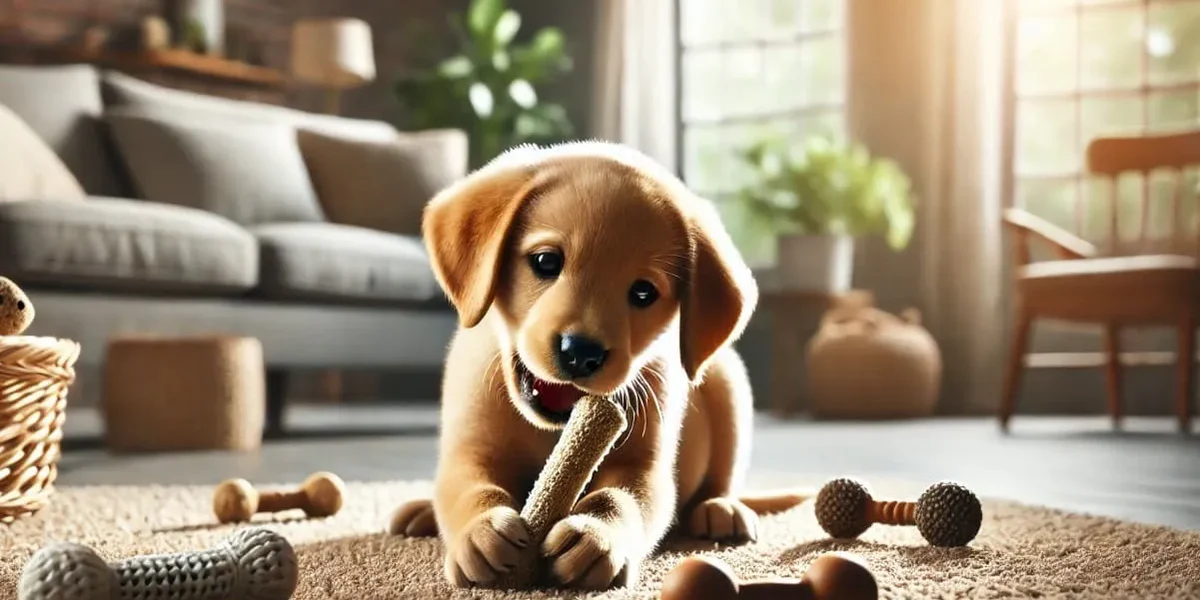
Tiny teeth can feel surprisingly sharp against skin. Playful nibbles quickly turn into painful bites, especially during those early months when energy seems endless and boundaries are still a mystery. Living with a young dog means accepting that hands, sleeves, shoelaces, and even ankles may become irresistible targets.
Biting is one of the most common frustrations new puppy owners face. It can feel alarming at first, especially when those needle-like teeth clamp down during play. However, most of the time this behavior is not aggression. It is communication, exploration, teething discomfort, and excitement rolled into one small furry body.
Exploring why puppies bite — and how to stop it requires patience and perspective. Puppies are not trying to dominate or harm their owners. They are navigating the world the only way they know how, and it is our job to guide them toward better habits.
Exploring The World With Their Mouths
Puppies experience life through their senses, and their mouths play a major role in that exploration. Just as babies grab and chew objects to investigate texture and shape, puppies use their teeth to gather information. Hands, clothing, furniture, and toys all become part of their discovery process.
During play with littermates, biting is completely normal. Puppies wrestle, nip, and tug constantly. These interactions teach them bite inhibition, which is the ability to control jaw pressure.
Once they enter a human household, that same playful instinct continues. The difference is that human skin is far more sensitive than a sibling’s fur. Without guidance, the playful nipping that seemed harmless among littermates can quickly become problematic.
Teething And Physical Discomfort
Teething plays a significant role in biting behavior. Puppies begin losing their baby teeth around three to four months of age, and the process can cause discomfort. Chewing helps relieve pressure in their gums.
I noticed that during certain weeks, biting increased noticeably. Shoes, table legs, and even fingers became prime targets. Providing appropriate chew toys made a clear difference in redirecting that urge.
Cold chew toys or safe rubber items can soothe sore gums. The act of chewing itself releases tension and provides comfort. Addressing teething discomfort reduces the likelihood of random biting episodes.
Overstimulation And Excitement
Excitement often triggers nipping. During play sessions, puppies can become overstimulated quickly. What begins as gentle interaction may escalate into rapid biting and zooming around the room.
Body language offers clues before biting intensifies. Fast tail wagging, sudden bursts of energy, and wide eyes often signal rising excitement. Recognizing these signs early helps prevent escalation.
Short play sessions with built-in breaks work better than long, chaotic ones. Giving puppies time to settle allows them to regulate their energy levels. Overstimulated puppies struggle to make calm decisions.
Why puppies bite — and how to stop it often connects directly to managing excitement levels rather than punishing the behavior itself.
Lack Of Bite Inhibition
Bite inhibition develops through interaction with littermates. When a puppy bites too hard during play, the other puppy yelps and stops engaging. That feedback teaches the biting puppy to adjust pressure.
If puppies are separated from their litter too early, they may not fully develop this skill. Human families must then take on the role of teaching gentle play. This requires consistency and patience.
When a puppy bites too hard, withdrawing attention can mimic the natural lesson they would receive from siblings. Calmly stopping interaction sends a clear message that biting ends the fun.
Over time, repeated responses teach the puppy to moderate jaw pressure. The goal is not to eliminate mouth contact entirely at first, but to soften it gradually.
The Mistake Of Harsh Punishment
Strong reactions can worsen biting. Yelling, physical corrections, or aggressive responses may confuse or frighten a puppy. Fear can escalate behavior rather than resolve it.
I found that dramatic reactions sometimes made biting more intense. The puppy interpreted loud noises as part of the game or became even more excited. Calm, controlled responses proved more effective.
Consistency matters more than intensity. Clear boundaries delivered in a steady manner build trust. Harsh punishment often damages confidence and does little to teach appropriate alternatives.
Addressing why puppies bite — and how to stop it involves guiding behavior rather than suppressing it through fear.
Redirecting To Appropriate Chew Items
Redirection remains one of the most effective tools. Keeping chew toys easily accessible allows immediate substitution when biting begins. Timing is critical in making this strategy work.
As soon as teeth touch skin, presenting a toy provides a clear alternative. Repetition builds the habit of choosing toys over hands. Puppies respond well to immediate guidance.
Variety also helps maintain interest. Different textures and shapes keep chewing engaging. Rotating toys prevents boredom and reduces the temptation to target furniture or clothing.
Over time, the puppy begins seeking out approved items independently. That shift signals progress and growing self-control.
Teaching Calm Interaction
Calm behavior should receive attention and praise. If a puppy approaches gently without biting, rewarding that moment reinforces desirable conduct. Positive reinforcement shapes behavior effectively.
Ignoring mild nipping while rewarding calm contact sends a clear message. Puppies quickly learn which actions earn attention. Reinforcing what we want often works better than constantly correcting what we dislike.
Structured training sessions also help channel energy productively. Basic commands such as sit and stay teach impulse control. Mental stimulation reduces random bursts of biting driven by excess energy.
Developing patience during these stages pays off long term. Consistent feedback creates predictable outcomes for the puppy.
The Role Of Exercise And Mental Stimulation
A tired puppy is less likely to bite excessively. Physical activity burns off surplus energy that might otherwise emerge as nipping. Regular walks and interactive play make a noticeable difference.
Mental stimulation is equally important. Puzzle toys, scent games, and simple obedience drills engage the brain. A bored puppy often invents its own entertainment, which may involve chewing whatever is nearby.
Balancing physical and mental outlets creates a calmer household. Puppies thrive on structured activity. Adequate stimulation reduces many unwanted behaviors naturally.
Why puppies bite — and how to stop it often ties back to meeting basic needs consistently.
Socialization And Controlled Play
Supervised play with other well-mannered dogs teaches valuable lessons. Dogs communicate boundaries clearly with one another. A firm correction from an older dog can be more effective than repeated human instruction.
Careful monitoring ensures play remains safe and positive. Not all dogs tolerate puppy energy, so choosing appropriate playmates matters. Controlled environments prevent negative experiences.
Social exposure builds confidence and improves bite control. Puppies learn the limits of acceptable behavior through real-time feedback. These lessons carry over into interactions at home.
Gradual exposure to different people also helps. Teaching puppies to greet calmly reduces excitement-based nipping.
Patience Through The Growth Phase
Puppy biting rarely disappears overnight. It fades gradually as teeth change, impulse control develops, and consistent training takes effect. Expecting immediate results can lead to frustration.
Tracking progress over weeks rather than days provides perspective. Small improvements accumulate steadily. Reduced pressure, shorter biting episodes, and quicker redirection signal growth.
Maintaining consistency during this stage is crucial. Mixed signals slow progress. Clear boundaries and steady reinforcement create reliable habits.
Why puppies bite — and how to stop it becomes less overwhelming when viewed as a temporary developmental stage rather than a permanent flaw.
Recognizing When To Seek Help
Most biting is normal puppy behavior, but occasional cases require professional guidance. If biting appears aggressive rather than playful, consulting a trainer or veterinarian may be necessary.
Warning signs include growling combined with stiff posture, guarding behavior, or snapping without warning. Early intervention prevents escalation. Professional input can clarify whether behavior falls within typical development.
Seeking help does not mean failure. It reflects commitment to responsible ownership. Addressing concerns early builds confidence for both dog and owner.
Proper guidance ensures the puppy grows into a well-adjusted adult dog.
Final Thoughts
Sharp teeth and playful nips are part of puppyhood, even though they test patience. Biting usually stems from exploration, teething discomfort, excitement, and incomplete bite inhibition rather than aggression. Viewing it through that lens reduces fear and frustration.
Exploring why puppies bite — and how to stop it highlights the importance of guidance, consistency, and realistic expectations. Redirecting behavior, providing proper outlets, and reinforcing calm interaction shape lasting habits. Over time, the frantic nipping phase fades into memory.
Puppyhood moves quickly, even during challenging weeks. With patience and steady training, those sharp bites transform into gentle nudges and affectionate companionship. The effort invested early creates a foundation for years of positive interaction and trust.
