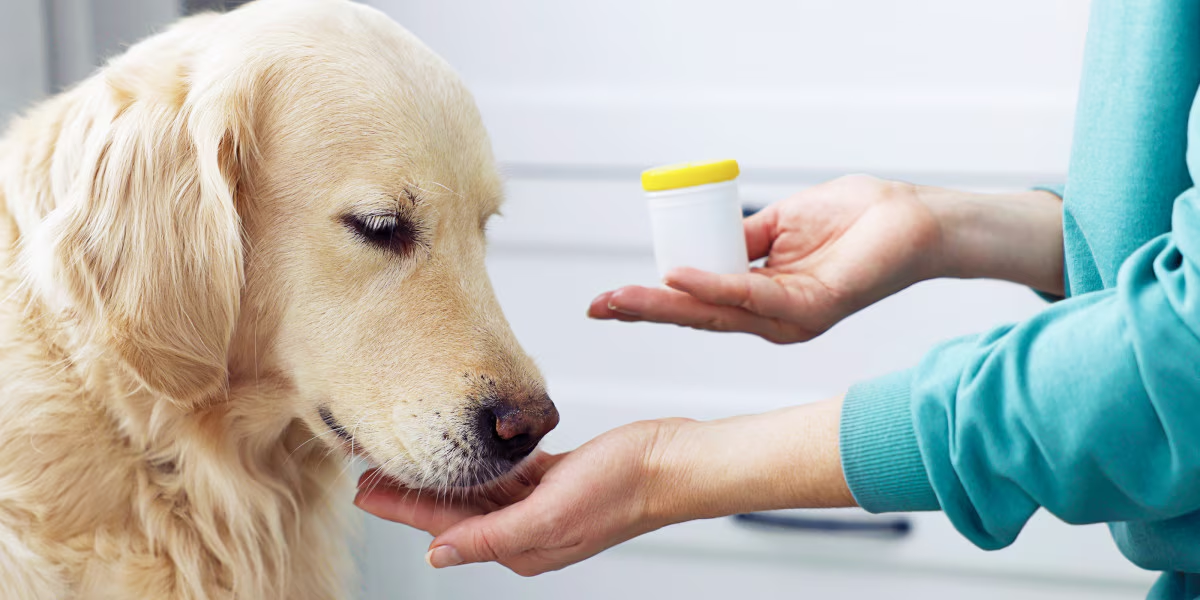
The moment a pair of hopeful eyes locks onto my dinner plate, I feel the familiar tug of guilt and affection. Sharing food is deeply human, and it feels natural to extend that gesture to the animals who live beside us. Still, I have learned that love expressed through leftovers can sometimes do more harm than good.
The question are human foods safe for pets sits at the center of countless conversations in my home and in messages from readers. It sounds simple, yet the answer is layered and often surprising. Some foods nourish, others irritate, and a few can cause serious medical emergencies. Sorting through that reality requires more than instinct.
Why Pets Process Food Differently
Dogs and cats do not metabolize food the same way people do. Their digestive systems, enzyme profiles, and nutritional requirements differ in ways that can turn a harmless snack for me into a problem for them. Even the size difference alone changes how a small portion of something rich or salty affects their bodies.
Cats are obligate carnivores, meaning they rely heavily on animal-based proteins and specific nutrients such as taurine. Dogs are more omnivorous, but that does not mean they can thrive on the same diverse and heavily seasoned meals that humans enjoy. A creamy casserole or spicy stew might delight my taste buds while overwhelming a pet’s digestive tract.
Considering how differently they process fats, sugars, and certain compounds has changed the way I look at my plate. The question are human foods safe for pets cannot be answered without acknowledging those biological differences first.
Foods That Are Generally Safe in Moderation
Not all human food is off-limits. Plain, cooked meats without seasoning often make excellent high-value treats for dogs. Small pieces of boiled chicken, turkey, or lean beef can provide protein without unnecessary additives.
Certain fruits and vegetables can also be safe. Carrots, green beans, blueberries, and apple slices without seeds are commonly tolerated by dogs in modest amounts. These foods add fiber and vitamins, though they should complement rather than replace a balanced pet diet.
Moderation remains essential. Even safe foods can cause digestive upset if offered in large quantities. The discussion around are human foods safe for pets becomes less about yes or no and more about which foods, how much, and how often.
Toxic Foods That Should Never Be Shared
Some foods cross the line from questionable to dangerous. Chocolate is one of the most widely known hazards because it contains theobromine and caffeine, both toxic to dogs and cats. Dark chocolate and baking chocolate pose higher risks due to concentrated levels.
Grapes and raisins are another serious concern for dogs, as they can cause acute kidney failure even in small amounts. Onions, garlic, and other members of the allium family can damage red blood cells and lead to anemia. Xylitol, an artificial sweetener found in sugar-free gum and baked goods, can trigger a rapid insulin release and life-threatening drops in blood sugar.
These examples remind me that are human foods safe for pets is not an abstract topic. The wrong bite at the wrong time can lead to emergency vet visits and lasting consequences.
Fatty and Fried Foods
High-fat foods may not be toxic in the traditional sense, but they can still create problems. Greasy table scraps, bacon drippings, and fried snacks put stress on a pet’s pancreas. Pancreatitis, an inflammatory condition, can develop after consuming rich or fatty meals.
Symptoms such as vomiting, diarrhea, abdominal pain, and lethargy often follow dietary indulgence. I have seen how quickly a joyful moment of sharing can shift into worry when a dog becomes visibly ill a few hours later.
Answering are human foods safe for pets requires looking beyond toxicity charts. Long-term health effects matter just as much as immediate reactions.
Salty Snacks and Processed Foods
Chips, pretzels, deli meats, and packaged snacks are staples in many kitchens. Their salt content, preservatives, and seasonings make them poor choices for pets. Excess sodium can lead to increased thirst, dehydration, and in extreme cases, sodium ion poisoning.
Processed meats also tend to contain nitrates and high fat levels. While a tiny piece may not cause instant harm, routine sharing can contribute to weight gain and cardiovascular strain over time.
My rule has become simple: if it comes from a crinkly bag or is heavily seasoned, it probably does not belong in a pet’s bowl. The broader issue behind are human foods safe for pets includes the hidden ingredients that we rarely consider.
Dairy Products and Digestive Upset
Milk and cheese often appear harmless, and many pets eagerly lap them up. However, lactose intolerance is common among adult dogs and cats. Without sufficient lactase enzyme, they struggle to digest lactose properly.
The result can be bloating, gas, and diarrhea. While small amounts of plain yogurt or cheese may be tolerated by some dogs, caution remains important. I have learned to introduce any dairy slowly and monitor closely for adverse reactions.
The fact that a food is familiar and comforting to me does not guarantee it will sit well with a pet. The debate around are human foods safe for pets often hinges on these individual tolerances.
Bones and Table Scraps
Bones create confusion because dogs are often associated with chewing them. Cooked bones, however, can splinter and cause choking, intestinal blockages, or internal injuries. Raw bones carry bacterial risks if not handled properly.
Table scraps present additional challenges. Sauces, gravies, and spice blends may contain onions, garlic, excessive salt, or other problematic ingredients. A simple-looking bite of meat can be coated in substances that irritate or harm.
I have become far more cautious about letting leftovers slide under the table. Reflecting on are human foods safe for pets has pushed me to think about preparation methods, not just the main ingredient.
The Impact on Weight and Long-Term Health
Even safe foods add calories. Small treats throughout the day can accumulate quickly, especially for smaller breeds. Obesity in pets increases the risk of diabetes, joint disease, heart strain, and reduced lifespan.
Handing out bits of food during meals can also encourage begging and food obsession. Behavioral patterns form quickly, and a habit that feels harmless can become difficult to break.
Part of answering are human foods safe for pets involves considering long-term patterns. Occasional, measured treats differ greatly from daily indulgence without portion control.
Cats and Human Food
Cats present unique considerations. Their nutritional needs are tightly tied to animal protein, and many plant-based foods offer little value. Certain foods safe for dogs, such as some fruits and vegetables, may not appeal to or benefit cats in the same way.
Tuna and fish, though popular, should not become dietary staples outside of balanced cat food formulas. Excessive fish can lead to nutritional imbalances and even mercury exposure over time.
With cats, I tend to be even more conservative. The question are human foods safe for pets becomes narrower when applied to felines due to their specialized dietary requirements.
Emergency Situations and Quick Action
Despite precautions, accidents happen. A dropped chocolate bar or unattended plate can disappear in seconds. Recognizing symptoms such as vomiting, tremors, excessive drooling, or sudden lethargy is critical.
In those moments, contacting a veterinarian or an animal poison control center immediately can save valuable time. Waiting to see if symptoms pass may allow toxins to circulate further.
Thinking through are human foods safe for pets ahead of time prepares me to respond faster if something goes wrong. Knowledge reduces panic and improves outcomes.
Teaching Family and Guests
Pets do not live in isolation, and neither do their diets. Family members, children, and visitors may not know which foods are unsafe. Clear communication helps prevent well-meaning but risky sharing.
I make a point of explaining why certain treats are off-limits. Offering approved alternatives, such as pet-specific treats or safe fruits, keeps everyone involved without compromising safety.
The conversation around are human foods safe for pets extends beyond personal habits. It includes creating a consistent environment where everyone follows the same guidelines.
Building a Balanced Diet First
Commercial pet foods are formulated to meet specific nutritional standards. They account for protein, fat, vitamins, and minerals in proportions tailored to species and life stage. Human meals rarely align so neatly with those requirements.
When a pet’s primary diet is balanced and complete, occasional safe human foods become less risky. They remain additions rather than nutritional foundations.
The heart of are human foods safe for pets lies in prioritizing species-appropriate nutrition. Extras should enhance life, not replace essential dietary components.
Practical Guidelines I Follow
I stick to plain, unseasoned foods in small quantities if I decide to share. I avoid anything sweetened with artificial sweeteners, heavily salted, fried, or spiced. I research unfamiliar foods before offering even a tiny taste.
Portion control remains central. A treat should not exceed a small percentage of daily caloric intake. That discipline protects against gradual weight gain and digestive stress.
Asking are human foods safe for pets becomes an ongoing practice rather than a one-time decision. Each new dish presents a fresh evaluation.
Final Thoughts
Food connects us, and sharing it feels like an extension of affection. Still, love for pets sometimes means saying no to pleading eyes and wagging tails. Their health depends on boundaries that protect rather than indulge.
Are human foods safe for pets is a question that deserves thoughtful consideration rather than quick assumptions. Some foods can be shared carefully, others must remain strictly off-limits. By staying informed, practicing moderation, and prioritizing balanced nutrition, I can show care in a way that supports long, healthy lives instead of risking them for a fleeting moment at the table.
