
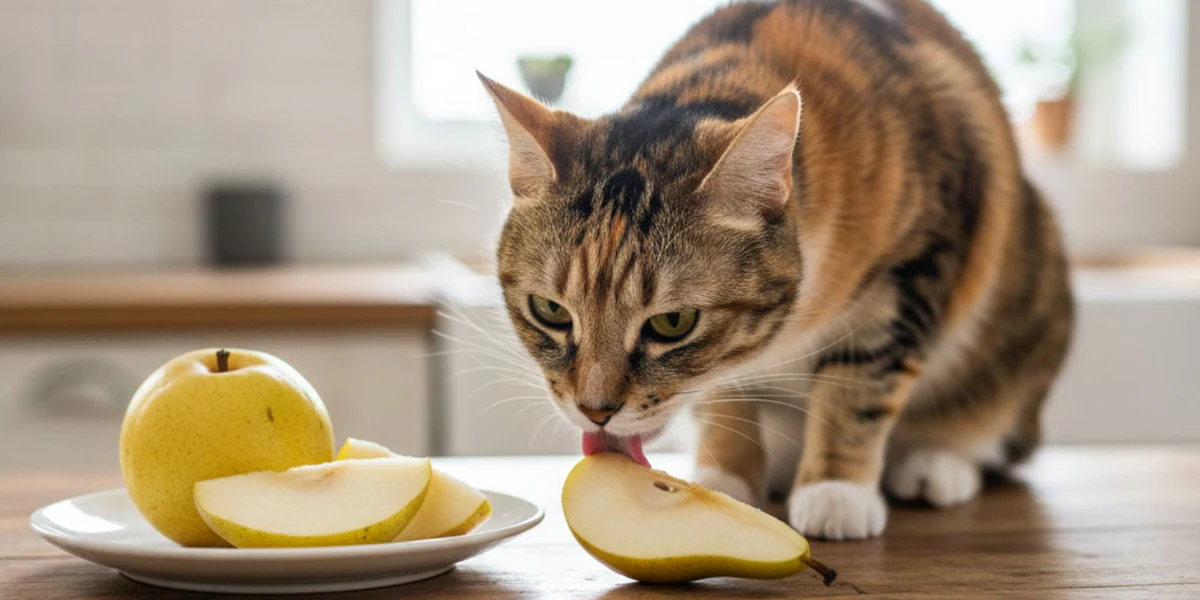
Feeding a cat sounds simple until you start reading ingredient labels and realizing how different their needs are from ours. My perspective changed dramatically once I dug into the science behind feline diets and stopped assuming that all pet foods were roughly the same. Cats are not small dogs, and they are certainly not tiny humans with whiskers.
The deeper I looked into their dietary biology, the clearer it became that their bodies are designed with very specific requirements. Marketing terms on packaging can be distracting, but a cat’s system does not respond to trends. True nourishment depends on respecting their natural design and giving them what their bodies are built to process.
Cat nutrition 101: what they actually need is not about hype or boutique labels. It is about protein quality, essential nutrients, moisture intake, and metabolic realities. Once I understood those foundations, feeding my cat felt less confusing and far more intentional.
Obligate Carnivores At Their Core
Cats are obligate carnivores, which means animal protein is not optional for them. Their bodies rely on nutrients found almost exclusively in meat, and they cannot thrive on plant-based substitutes. This biological truth shapes the entire framework of proper feline nutrition.
Unlike omnivores, cats have limited ability to synthesize certain amino acids internally. Taurine is one of the most critical examples, and a deficiency can lead to heart and vision problems. That fact alone changed how I evaluated food labels and protein sources.
Their digestive systems are shorter and more specialized for breaking down animal tissue. While they can tolerate small amounts of plant matter, their metabolism is not built to process high carbohydrate loads efficiently. Respecting this carnivorous design is central to cat nutrition 101: what they actually need.
The Central Role Of High-Quality Protein
Protein forms the backbone of a healthy feline diet. It supports muscle maintenance, immune function, hormone production, and overall vitality. I pay close attention not just to protein percentage, but also to the source.
Animal-based proteins such as chicken, turkey, beef, and fish provide complete amino acid profiles. These sources align naturally with a cat’s biological needs. Meat meals, when properly sourced, can also be valuable contributors rather than ingredients to fear automatically.
Protein requirements for cats are generally higher than for dogs. Even senior cats benefit from adequate protein intake, despite outdated advice that once suggested restricting it unnecessarily. Muscle mass preservation becomes increasingly important with age.
Why Taurine Is Non-Negotiable
Taurine deserves its own spotlight because cats cannot produce enough of it on their own. This amino acid supports heart function, vision, digestion, and reproductive health. A deficiency can have severe consequences that are not always immediately visible.
Commercial cat foods typically supplement taurine to ensure adequacy. However, poorly formulated homemade diets can fall dangerously short. I always verify that any feeding plan, whether commercial or homemade, accounts for this critical nutrient.
Cat nutrition 101: what they actually need includes consistent taurine intake without exception. It is one of the clearest examples of how feline biology demands precision.
The Truth About Carbohydrates
Carbohydrates are often present in commercial cat foods because they help bind kibble and reduce costs. While small amounts are not inherently harmful, cats do not require carbohydrates in the same way humans do. Their bodies are geared toward using protein and fat as primary energy sources.
Excessive carbohydrate intake can contribute to weight gain and metabolic issues. I began examining ingredient lists more closely to identify fillers that offered minimal nutritional value. Corn, wheat, and other starch-heavy components became less appealing once I understood their limited role.
That does not mean all carbohydrates are problematic. Some fiber supports digestive health and can help manage hairballs. The key lies in moderation and context rather than blanket avoidance.
Fats And Essential Fatty Acids
Fats provide concentrated energy and support healthy skin and coats. Omega-3 and omega-6 fatty acids play vital roles in inflammation control and immune balance. I noticed improvements in coat softness and shine once I prioritized foods with balanced fat profiles.
Animal fats are particularly valuable for cats because they align with natural prey composition. Fish oils can offer additional benefits, especially for older cats or those with joint concerns. However, balance remains important to avoid excess calories.
Overfeeding fat can quickly lead to obesity. Portion control and calorie awareness remain as important as nutrient quality. Cat nutrition 101: what they actually need involves thoughtful balance rather than overcompensation.
Moisture Matters More Than Most Realize
Cats evolved from desert-dwelling ancestors and have a low thirst drive. In the wild, they would obtain much of their moisture from prey. Modern indoor cats often rely heavily on dry kibble, which contains minimal water.
This mismatch can contribute to urinary tract issues and kidney strain over time. Incorporating wet food or adding moisture to meals supports hydration. I also encourage water intake by placing bowls in multiple quiet locations.
Fountains sometimes stimulate drinking because moving water appeals to feline instincts. Moisture plays a significant role in long-term kidney health, and I no longer treat it as an afterthought.
Vitamins And Minerals In Proper Balance
Micronutrients operate behind the scenes but are essential for health. Calcium, phosphorus, magnesium, and potassium must remain in appropriate ratios. Imbalances can affect bone strength, nerve function, and organ systems.
Fat-soluble vitamins such as A and D are particularly important for cats. They cannot convert beta-carotene from plants into vitamin A efficiently, so they rely on animal sources. That biological limitation reinforces their dependence on meat-based diets.
Commercial foods labeled as complete and balanced are formulated to meet established standards. If preparing homemade meals, professional guidance becomes critical to prevent deficiencies or toxic excesses.
Portion Control And Weight Management
Obesity is a growing problem among indoor cats. Overfeeding, free-feeding, and limited activity combine to create gradual weight gain. I began measuring portions carefully instead of guessing, which made a noticeable difference.
Treats also count toward daily caloric intake. Even small extras can add up over time. I became more selective about offering treats and focused on interactive play as a reward instead.
Regular weigh-ins help track trends before they become serious concerns. Cat nutrition 101: what they actually need includes not only quality food but also appropriate quantities.
Life Stage Considerations
Kittens require higher calorie density and specific nutrient support for growth. Protein, fat, and certain minerals must be carefully balanced to support developing bones and organs. Feeding adult maintenance formulas too early can compromise development.
Adult cats have steadier requirements but still need nutrient-dense diets. Activity levels and health status influence caloric needs. Monitoring body condition ensures adjustments happen in a timely manner.
Senior cats may face kidney changes, dental issues, or reduced appetite. Tailoring food texture and nutrient composition can support aging bodies. Regular veterinary checkups guide these decisions effectively.
Special Dietary Needs And Medical Conditions
Certain health conditions demand targeted dietary adjustments. Cats with kidney disease often require controlled phosphorus intake. Those with diabetes benefit from lower carbohydrate formulas to stabilize blood sugar.
Food allergies, while less common than assumed, may require elimination diets. In those cases, limited ingredient or novel protein formulas can help identify triggers. Professional guidance ensures nutritional adequacy during experimentation.
Cat nutrition 101: what they actually need becomes even more precise when medical issues enter the picture. Collaboration with a veterinarian prevents well-intentioned mistakes.
Dry Versus Wet Food Debate
The dry versus wet food debate continues in many households. Dry food offers convenience and cost efficiency, but it lacks moisture. Wet food supports hydration and often contains higher protein levels.
I found a mixed approach works well for my cat. Combining both formats provides variety and balances practicality with hydration. Individual preferences and health considerations influence this decision.
Texture also affects dental health and enjoyment. Some cats strongly prefer one format over the other. Observing preferences helps maintain consistent eating habits.
Reading Labels With A Critical Eye
Ingredient lists are ordered by weight, which provides clues about composition. Seeing a named animal protein at the top reassures me more than vague descriptors. Transparency builds trust.
Guaranteed analysis panels show minimum protein and fat percentages, but they do not reveal quality. Marketing claims can distract from meaningful information. I focus on substance over slogans.
Cat nutrition 101: what they actually need cannot be deciphered from packaging alone. A combination of research, label reading, and professional advice creates clarity.
Homemade Diets And Raw Feeding
Some cat owners explore homemade or raw feeding options. While these approaches can be successful, they require meticulous planning. Nutrient imbalances can develop quickly without expert input.
Raw diets introduce potential bacterial risks to both pets and humans. Safe handling practices are essential. I weighed these factors carefully before deciding what felt manageable and safe in my home.
Consulting a veterinary nutritionist offers reassurance when venturing beyond commercial formulas. Precision matters more than ideology in feeding decisions.
Hydration And Environmental Factors
Diet interacts with lifestyle in meaningful ways. Indoor cats with limited movement may burn fewer calories but still require balanced nutrition. Stress and environmental changes can also influence appetite.
Water placement affects intake significantly. Quiet areas away from litter boxes encourage drinking. Small adjustments in setup can support overall hydration.
Nutrition does not operate in isolation. It connects to activity, environment, and emotional well-being. Observing the whole picture provides better insight into dietary effectiveness.
Final Thoughts
Feeding a cat properly demands respect for their biology rather than reliance on trends. Animal protein, essential amino acids, balanced fats, controlled carbohydrates, and adequate moisture form the core foundation. Ignoring those pillars invites long-term problems that may not appear immediately.
Cat nutrition 101: what they actually need centers on precision and balance. It requires reading labels carefully, monitoring weight, adjusting for life stages, and collaborating with veterinary professionals when necessary. Small daily decisions accumulate into significant health outcomes.
My confidence in feeding my cat grew as I replaced assumptions with knowledge. Paying attention to protein quality, moisture intake, and portion control transformed mealtime into an intentional act of care. Nourishing a cat well is not complicated once the fundamentals are clear, but it does require commitment and consistency.
