
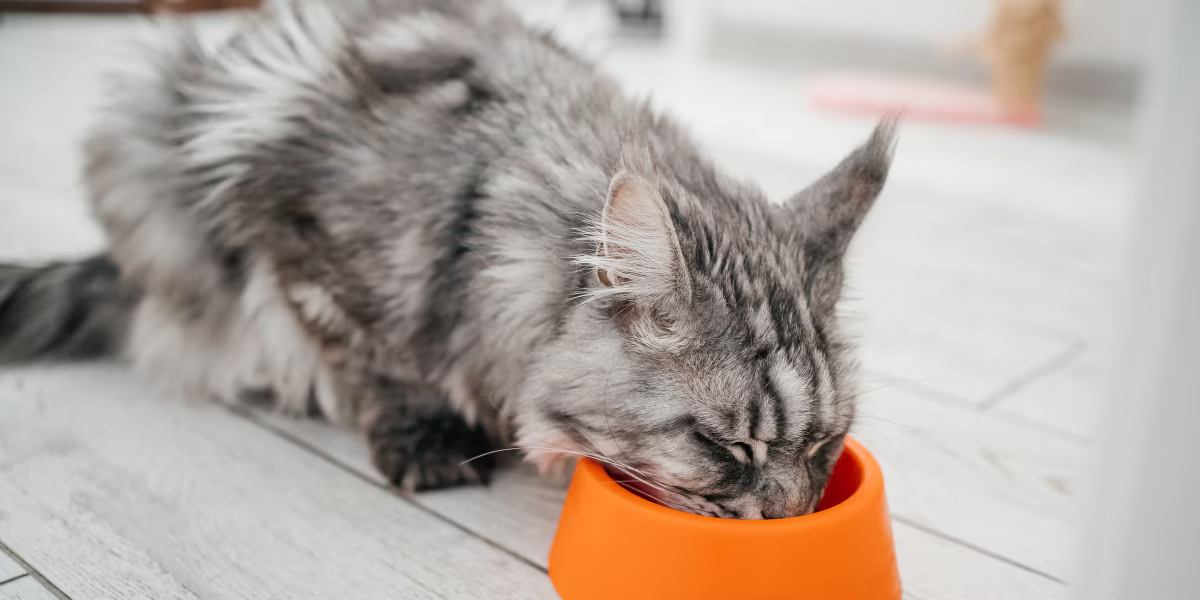
Indoor life offers safety, predictability, and protection from countless outdoor dangers, but it also places the responsibility for stimulation squarely on my shoulders. A cat who lives exclusively inside depends on me to provide outlets for curiosity, hunting instincts, and physical movement. Without thoughtful engagement, boredom can creep in quietly and show up as overgrooming, nighttime zoomies, or sudden disinterest in interaction. I have learned that a content indoor cat is rarely an accident; it is the result of daily, intentional enrichment.
Enrichment ideas for indoor cats have transformed the way I share space with my feline companions. I no longer see toys as optional accessories scattered across the floor. Instead, I treat enrichment as a structured part of their well-being, just as important as food and clean litter. When I commit to mental and physical stimulation, the difference in mood and behavior is noticeable.
Interactive Play That Mimics The Hunt
Cats are natural hunters, even if their prey consists of fabric mice and feathers. I dedicate time each day to interactive play using wand toys that imitate the unpredictable movements of small animals. Quick darts, pauses, and sudden direction changes capture my cat’s focus in a way static toys never could.
The key is letting the “prey” act realistically. I allow it to hide behind furniture, peek out, and move cautiously before sprinting away. This taps into stalking and pouncing instincts that indoor life might otherwise neglect. A few intense sessions each day burn energy and reduce nighttime restlessness.
Enrichment ideas for indoor cats often begin with honoring instinct. Structured hunting play satisfies a deep biological need and leaves my cat visibly more relaxed afterward.
Vertical Space For Exploration
Floor space is only part of the equation in a cat-friendly home. Height offers security and stimulation, so I prioritize vertical access through cat trees, shelves, and window perches. Climbing engages muscles while also providing a sense of territory.
When my cat can observe the room from above, confidence increases. Elevated spots serve as lookout stations, nap zones, and safe retreats. Vertical territory also reduces tension in multi-cat households by expanding usable space.
Adding even a single sturdy shelf can change the dynamic of a room. Indoor cats thrive when they can move upward as naturally as they move across the floor.
Window Views With Purpose
A simple window becomes a source of endless entertainment when positioned thoughtfully. I place perches where my cat can observe birds, passing cars, and shifting sunlight. The outside world becomes a moving landscape of stimulation.
For extra engagement, I sometimes install a bird feeder outside a secure window. The fluttering activity captures attention for long stretches of time. My cat may chatter softly or flick her tail, clearly immersed in the spectacle.
Enrichment ideas for indoor cats do not always require elaborate purchases. Strategic placement of a perch near an active view can provide hours of quiet engagement.
Puzzle Feeders And Food Challenges
Mealtime presents an opportunity for mental exercise. Instead of placing food in a standard bowl, I use puzzle feeders that require problem-solving. Rolling dispensers, sliding compartments, and hidden treats encourage exploration.
This slows down fast eaters and adds an element of achievement to each meal. I rotate different types of feeders to prevent predictability. Variety keeps curiosity alive.
Food-based enrichment taps into natural foraging behaviors. Even simple DIY options, like hiding kibble in small cups or paper towel rolls, can spark investigative play.
Rotating Toys To Maintain Interest
Leaving all toys accessible at once often leads to boredom. I store some away and rotate selections weekly. This makes familiar toys feel new again and renews excitement.
I observe preferences closely. Some cats love crinkly textures, while others prefer soft plush items or lightweight balls. Paying attention to those preferences guides future purchases.
Enrichment ideas for indoor cats work best when they evolve. Rotating toys prevents the environment from becoming static and predictable.
Scent Enrichment And Catnip
Cats experience the world strongly through scent. I occasionally introduce safe herbs like catnip or silvervine to stimulate playful bursts of energy. Not all cats respond, but those who do often roll, pounce, and become delightfully animated.
Beyond herbs, scent swapping between rooms can also pique curiosity. Moving a blanket from one area to another introduces subtle changes. Even small scent shifts create novelty in a familiar space.
Scent enrichment should be used sparingly to preserve its impact. Occasional exposure keeps reactions enthusiastic rather than routine.
Clicker Training For Mental Focus
Training is not reserved for dogs. Clicker sessions have strengthened my bond with my cat and provided valuable mental stimulation. Teaching simple cues like sit, high five, or target touch challenges concentration.
Short sessions prevent frustration. Five minutes of focused engagement can be more exhausting than half an hour of wandering around. Clear communication through consistent cues builds trust.
Enrichment ideas for indoor cats include structured training because mental effort fosters confidence. Watching my cat master a new behavior never fails to impress me.
Creating Safe Hideouts
Cats crave both exploration and retreat. I provide cozy hideouts where my cat can withdraw when she needs solitude. Cardboard boxes, fabric tunnels, and covered beds serve this purpose well.
Hiding spots reduce stress during loud events or busy days. They also add an element of mystery during play sessions, as toys can disappear and reemerge from unexpected places.
An enriched environment balances stimulation with security. Retreat spaces are just as important as activity zones.
Sensory Variety Through Textures
Different textures stimulate paws and curiosity. I place small rugs with varying fabrics, cardboard scratchers, and sisal mats in strategic areas. Each surface offers a unique tactile experience.
Scratching posts with multiple materials encourage natural claw maintenance. Vertical and horizontal options allow personal preference. Regular rotation of these items keeps engagement fresh.
Texture changes may seem minor, but they contribute to a dynamic indoor landscape. Subtle variety prevents monotony from settling in.
DIY Obstacle Courses
Occasionally, I rearrange lightweight furniture or create temporary obstacle paths using safe household items. Chairs draped with blankets form tunnels, while stacked cushions create small climbing challenges.
Supervised exploration ensures safety. I remove unstable objects and monitor interactions closely. These temporary changes provide novelty without permanent rearrangement.
Enrichment ideas for indoor cats can be creative and inexpensive. Rearranging familiar items can spark renewed interest in the environment.
Incorporating Technology Carefully
Automated toys and laser pointers have their place, but I use them thoughtfully. Laser play must always end with a tangible toy catch to prevent frustration. Physical reward closes the hunting sequence properly.
Battery-operated toys that mimic erratic prey movements can add excitement when supervised. I avoid leaving them running unsupervised to maintain safety and novelty.
Technology supplements, but it never replaces direct interaction. Personal engagement remains the strongest form of enrichment.
Music And Ambient Sound
Soft music or nature sounds sometimes calm anxious behavior. I have experimented with gentle classical playlists during particularly restless evenings. The effect varies by personality, but subtle background sound can reduce startle responses.
Silence is not always neutral. In some households, complete quiet amplifies minor noises. Gentle ambient sound creates a more predictable atmosphere.
Environmental enrichment includes auditory elements. Even subtle changes in sound can influence mood.
Social Interaction And Bonding Time
No toy can replace meaningful interaction. Daily grooming sessions, gentle petting, and quiet companionship nurture emotional health. I pay attention to body language and respect boundaries.
Quality time builds trust and reduces stress-related behaviors. Cats who feel secure are more open to playful exploration. Emotional stability supports all other enrichment efforts.
Enrichment ideas for indoor cats extend beyond physical objects. Connection strengthens resilience and overall well-being.
Seasonal Changes Indoors
Changing décor slightly with the seasons can refresh the environment. Rotating blankets, moving furniture subtly, or introducing a new perch location provides novelty.
Indoor cats notice small shifts. A new vantage point near a window can reignite interest in familiar surroundings. These changes keep life dynamic without overwhelming.
Seasonal refreshes prevent stagnation. Thoughtful updates maintain engagement year-round.
Multi-Cat Household Strategies
In homes with multiple cats, enrichment must accommodate different personalities. Separate play sessions ensure shy cats receive attention without competition. Multiple vertical spaces reduce territorial tension.
Food puzzles can be offered individually to prevent guarding. Observing interactions closely helps me adjust strategies before conflict escalates.
Enrichment ideas for indoor cats become more complex in shared spaces, but thoughtful distribution of resources fosters harmony.
Final Thoughts
Enrichment ideas for indoor cats have reshaped how I view life inside four walls. Stimulation is not a luxury; it is a necessity for emotional and physical balance. Through interactive play, vertical space, scent exploration, and meaningful bonding time, I create a home that supports instinct rather than suppressing it.
Indoor cats rely on me to transform ordinary rooms into engaging habitats. With creativity, observation, and consistency, that responsibility becomes an opportunity to deepen our connection and ensure a vibrant, fulfilled feline life.
