
Energy can build inside a dog like pressure in a shaken bottle, and sometimes it explodes in a blur of fur and flying paws. I have watched my dog tear through the living room, skid across the hallway, and loop around the couch with eyes wide and tail high. In those moments, laughter mixes with confusion because the sudden sprint seems to come out of nowhere.
The psychology behind zoomies has fascinated me for years, especially after seeing how predictable and patterned these bursts can be. Zoomies, often referred to as frantic random activity periods, are not chaotic accidents. They reflect emotional release, physical stimulation, and sometimes even stress management. Once I started paying closer attention, those wild laps around the yard began to make much more sense.
What Zoomies Actually Are
Zoomies look spontaneous, but they follow a recognizable pattern. A dog may lower their front slightly, widen their eyes, and then bolt forward in tight circles or zigzag paths. The movements are exaggerated and playful, yet intensely focused.
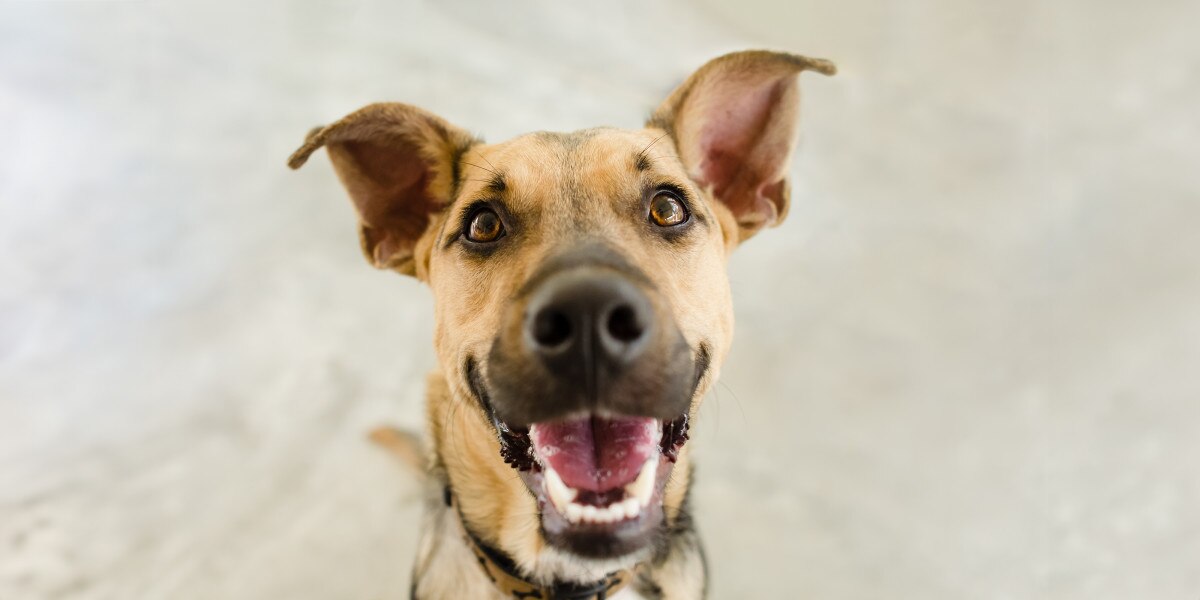
The body language during these episodes usually appears loose rather than tense. Ears might flap, the mouth may stay open in what looks like a grin, and the tail often remains high and animated. This loose posture tells me the behavior is driven by excitement rather than aggression.
The psychology behind zoomies involves a surge of arousal that needs an outlet. Instead of being random misbehavior, zoomies function as a physical reset button. They help the dog discharge energy in a fast, concentrated burst.
The Role Of Pent Up Energy
Physical energy plays a central role in zoomies. On days when my dog has not had enough exercise, the likelihood of a sudden sprint around the house increases dramatically. The body demands movement, and if structured outlets are limited, it finds its own solution.
Even after a long nap, zoomies can appear. Rest accumulates energy in much the same way that inactivity during the day does. The moment the opportunity arises, that stored energy releases explosively.
I began to see zoomies less as mischief and more as physiology in motion. Muscles primed for action cannot stay dormant forever. The body eventually insists on release, and it does so with dramatic flair.
Emotional Release And Excitement
Not all zoomies stem from lack of exercise. Emotional highs can trigger them as well. After I return home from being out for a while, my dog sometimes greets me calmly at first and then suddenly rockets down the hallway.
This type of zoomie feels tied to joy and relief. The emotional buildup of anticipation and reunion finds expression through speed. It is almost as if the dog cannot contain the intensity of positive emotion in a stationary body.
The psychology behind zoomies includes this emotional discharge component. Dogs experience excitement deeply, and their bodies often express it more dramatically than ours do.
Stress And Tension Discharge
Surprisingly, zoomies can also follow stressful situations. I have noticed bursts of frantic running after baths or veterinary visits. The behavior looks playful, but the timing suggests something more complex.
Stress activates the nervous system. Once the stressful event ends, the body still carries leftover adrenaline. Zoomies provide a quick way to burn through that lingering tension.
This pattern changed how I interpreted post bath chaos. Instead of assuming my dog was simply celebrating freedom from the tub, I recognized that he was shaking off residual stress through movement.
Developmental Factors In Puppies
Puppies experience zoomies with almost theatrical intensity. Their coordination is still developing, which makes their sprints look clumsy and exaggerated. Furniture becomes an obstacle course, and corners are taken at questionable angles.
Young dogs possess enormous reserves of energy. Their brains are also processing a constant stream of new stimuli. Zoomies serve as both physical exercise and mental reset during this rapid growth phase.
The psychology behind zoomies in puppies connects strongly to developmental needs. Their nervous systems are still calibrating, and bursts of chaotic movement may help regulate that process.
Routine Triggers And Predictable Patterns
Zoomies often occur at predictable times. In my home, early evening seems to be prime time. After dinner but before winding down for the night, a sudden sprint through the yard is almost guaranteed.
This pattern reflects daily energy cycles. Dogs, like humans, experience peaks and dips in alertness. When a natural energy peak meets opportunity for movement, zoomies follow.
Recognizing patterns helps manage the behavior safely. Anticipating the burst allows me to ensure the environment is clear of hazards before the race begins.
The Influence Of Environment
Space plays a significant role in how zoomies manifest. In open yards, dogs may sprint in wide arcs. In smaller apartments, they may loop tightly around furniture.
I noticed that when my dog feels confined for extended periods, the zoomies become more intense once freedom is available. Access to open areas reduces the frantic edge and allows for smoother, longer runs.
Environmental enrichment can reduce the frequency of explosive indoor zoomies. Regular outdoor time provides appropriate outlets that satisfy the same psychological and physical needs.
Social Zoomies With Other Dogs
Group zoomies are a spectacle of synchronized chaos. At the dog park, I have watched multiple dogs ignite at once, chasing each other in broad circles with playful growls and bounding strides.
These social bursts strengthen bonds and release shared excitement. The energy becomes contagious, spreading rapidly from one dog to another. Body language remains loose, signaling play rather than competition.
The psychology behind zoomies in social settings highlights the communal aspect of canine behavior. Dogs feed off each other’s arousal levels, amplifying excitement through collective movement.
Neurological And Hormonal Factors
Zoomies involve more than muscles and emotions. Hormonal shifts contribute to the sudden surge. Adrenaline and dopamine likely play roles in fueling the rapid, high energy state.
The nervous system responds to both stress and joy with similar physiological changes. Increased heart rate, heightened alertness, and muscle readiness prepare the body for action. Zoomies allow those biological changes to resolve through movement.
Observing my dog during these episodes, I see a full body commitment. The sprint is not half hearted. It reflects a neurological push toward release.
Safety Considerations
Although zoomies are typically harmless, safety matters. Slippery floors, sharp corners, and fragile objects can turn playful chaos into injury. I rearranged certain furniture pieces after one particularly dramatic collision with a coffee table.
Outdoor zoomies require fenced areas or reliable recall. Sudden bursts near roads can become dangerous. Preparation ensures that expression of energy does not lead to unintended harm.
Managing the environment does not suppress the behavior. It simply provides a safer stage for it to unfold.
When Zoomies Signal Something More
Occasional zoomies are normal, but frequency and intensity can reveal underlying issues. Excessive bursts paired with destructive behavior may indicate chronic under stimulation. Sudden changes in pattern could point toward discomfort or anxiety.
I pay attention if zoomies seem frantic rather than joyful. Tight body posture, repeated collisions, or inability to settle afterward might signal unresolved stress. In those cases, broader lifestyle adjustments become necessary.
The psychology behind zoomies becomes more complex when behavior shifts dramatically. Context always matters.
Channeling Energy Productively
Structured exercise reduces unpredictable indoor sprints. Long walks, fetch sessions, and scent games satisfy physical and mental needs. When these outlets are consistent, zoomies feel less frantic and more playful.
Training sessions also help. Mental engagement tires the brain, which in turn reduces excessive energy buildup. I noticed that after practicing new commands or puzzle tasks, zoomie episodes shortened significantly.
Providing alternatives does not eliminate zoomies entirely, nor should it. Instead, it balances spontaneous bursts with healthy routines.
The Joy Factor
Amid all the analysis, one truth remains clear. Zoomies are often pure joy in motion. Watching my dog sprint with abandon reminds me of the simple pleasure of movement.
The unfiltered enthusiasm feels contagious. It invites laughter rather than irritation. That emotional component is part of why zoomies persist across breeds and ages.
The psychology behind zoomies includes this celebration of aliveness. Dogs express emotion physically in ways humans often suppress.
Bonding Through Shared Energy
Sometimes I join the chaos. Running alongside my dog in the yard transforms the episode into shared play. Participation deepens connection and strengthens recall.
This shared movement builds trust. Instead of viewing zoomies as disruption, I treat them as opportunity for engagement. The shift in perspective changes my reaction from correction to collaboration.
Physical play reinforces positive associations. It also provides a safe way to direct intense bursts of energy into controlled interaction.
Final Thoughts
Zoomies may look random, but they reflect layered psychological and physiological processes. They release energy, discharge stress, express joy, and support developmental growth. The psychology behind zoomies reveals how deeply emotion and biology intertwine in canine behavior.
Rather than trying to eliminate these bursts, I focus on guiding them safely. Structure, enrichment, and awareness reduce risk while honoring natural instincts. In the end, those sudden sprints across the yard are not chaos at all but vibrant proof of a healthy, expressive dog.
