
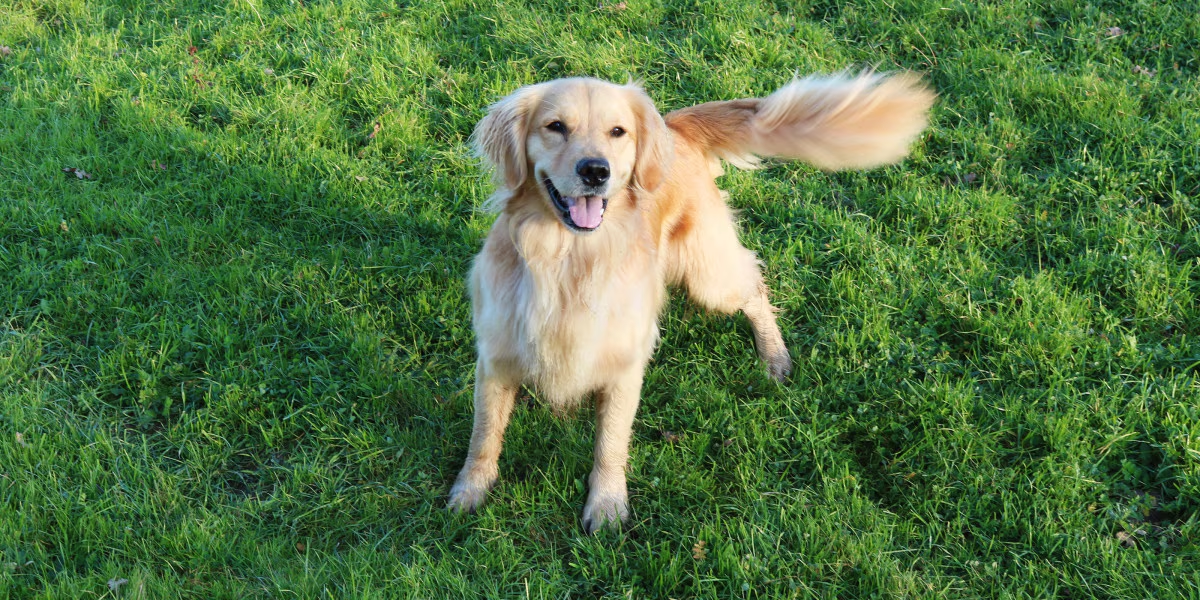
A dog’s tail can move faster than my thoughts sometimes, especially when I walk through the front door after being gone for a few hours. That blur of fur feels like a greeting, a celebration, and a conversation all rolled into one. For years, I assumed it simply meant happiness, but living closely with dogs has shown me that it is rarely that simple. A wag can signal joy, anxiety, uncertainty, or even a warning, depending on the rest of the body and the moment.
What tail wagging really tells you depends on context, posture, speed, and even the direction of the movement. I learned this slowly, often by misreading signals and adjusting my expectations. Dogs are generous communicators, but they speak in body language, not words. If we want to respond appropriately, we have to pay attention to the whole picture.
The Myth Of The Always Happy Wag
Most people grow up believing that a wagging tail equals a happy dog. I believed it too, and for a long time I acted on that assumption without question. If a dog wagged, I would reach out confidently, assuming affection would be welcome.
Reality feels more layered than that. A tail can wag stiffly at shoulder height while the rest of the body remains tense, ears forward and eyes fixed. In that moment, the dog might be alert or even defensive, not inviting a scratch behind the ears. I have watched dogs wag at the vet’s office while clearly stressed, their mouths tight and their breathing shallow.
The wag itself is simply a sign of arousal, meaning the dog is emotionally stimulated. That stimulation might be positive excitement or nervous anticipation. The key lesson I took from this is that the tail never speaks alone, and treating it as a standalone signal can lead to misunderstandings.
Height Matters More Than You Think
One of the first things I began noticing was tail position. A high tail, especially one held rigid and wagging in short, sharp motions, often signals alertness or confidence. When my dog spots a stranger approaching the gate, his tail rises above his back and moves in deliberate arcs, as if he is measuring the situation.
A tail carried at a neutral level and wagging in wide, relaxed sweeps feels very different. That posture tends to appear during friendly greetings, play sessions, and moments of genuine comfort. The entire rear end often joins in, creating that familiar full body wiggle that leaves no doubt about positive emotion.
A low tail, especially one tucked between the legs while still wagging slightly, suggests insecurity or submission. I have seen dogs attempt to appease another by offering a hesitant wag paired with crouched posture. In those situations, the wag does not equal joy but rather an effort to avoid conflict.
Speed And Intensity Tell A Story
The speed of a wag reveals emotional intensity. A rapid, helicopter style wag, where the tail spins in wide circles, often appears when a dog greets a beloved person. I have experienced this countless times, and the movement feels almost comical in its enthusiasm.
A slow, measured wag can carry more caution. When my dog meets someone new, he may wag slowly while leaning forward slightly, evaluating the person’s scent and body language. That pace tells me he is interested but not fully relaxed.
Fast, tight wags with minimal movement at the base of the tail can indicate high tension. During encounters with unfamiliar dogs, I watch closely for this pattern because it can precede a snap or growl if other signals align. The tail becomes a barometer for emotional temperature, and the speed often reveals how heated the moment feels.
Direction Of The Wag
This detail surprised me the most when I began paying attention. The direction of a wag can lean slightly to the left or right, and researchers have observed patterns connected to emotional states. While I do not stand behind my dog with a ruler, I have noticed subtle shifts.
Wags that lean slightly to the right often appear during positive social interactions, such as greeting a familiar friend. Wags that tilt left sometimes emerge when facing something uncertain or potentially stressful. These movements are subtle and easy to miss, but they reinforce the idea that What tail wagging really tells you is more nuanced than a simple yes or no answer.
I rely less on the exact direction and more on the overall symmetry combined with posture. Still, knowing that the brain influences tail movement in complex ways makes me appreciate how deeply rooted these signals are.
The Whole Body Conversation
A wagging tail paired with soft eyes, relaxed ears, and a slightly open mouth paints one picture. The same wag paired with a hard stare, stiff legs, and raised hackles paints another. I learned to scan from nose to tail instead of focusing on one moving part.
During play sessions, I notice exaggerated movements. The dog may bow low with front legs stretched forward, tail wagging broadly behind. That playful bow tells me the wag is part of an invitation rather than a challenge.
In contrast, a dog standing tall and leaning forward with a stiff wag might be asserting space. The body becomes upright and still except for that rigid tail. Observing these combinations has helped me avoid stepping into situations that could escalate quickly.
Playful Wags Versus Defensive Wags
Playful wags often look loose and almost floppy. The tail moves in wide arcs, and the hips sway naturally. I see this most during games of fetch or when my dog spots a favorite toy.
Defensive wags feel controlled and deliberate. The tail may remain high and move in short, tight motions. The dog’s weight shifts forward, and the muscles along the back can appear tense.
Recognizing the difference has changed how I intervene during dog park interactions. Instead of assuming that wagging means all is well, I look for looseness. If I sense rigidity, I call my dog back before tension turns into confrontation.
Puppies And Their Exaggerated Signals
Puppies tend to wag with their entire bodies. Their tails often move so enthusiastically that balance becomes an issue. I find their signals easier to read because their emotions spill out without subtlety.
As dogs mature, their body language grows more refined. They develop confidence, boundaries, and social awareness. The tail movements may become more measured, especially around unfamiliar dogs or new environments.
Watching that progression has shown me how communication evolves over time. What tail wagging really tells you at eight weeks old may differ from what it tells you at three years old. Experience shapes expression, and maturity adds layers to what once seemed straightforward.
Breed Differences And Tail Shape
Not all tails look or move the same way. A long, feathery tail from a breed like the Golden Retriever sweeps differently than the curled tail of a Shiba Inu or the docked tail of certain working breeds. These physical differences affect how signals appear.
Dogs with naturally high carriage tails may seem more assertive even when relaxed. Breeds with tightly curled tails might display subtle base movements that require closer observation. I learned not to judge intensity solely by height because structure plays a role.
Docked tails add another layer of complexity. Without a full tail to observe, I rely more heavily on ear position, facial expression, and body stance. It reminds me that communication extends beyond one feature and that adaptation is necessary when reading different dogs.
Fear And Appeasement Signals
One of the most important lessons I absorbed involved fear-based wagging. A dog may wag while backing away, crouching low, or licking lips repeatedly. That wag does not invite contact but attempts to reduce perceived threat.
I have seen children misinterpret this signal, reaching toward a nervous dog who is clearly asking for space. The tail moves, but the body shrinks. In those moments, stepping in to educate gently can prevent a bite and protect both child and dog.
Appeasement wags tend to be lower and softer, sometimes paired with rolling onto the back or exposing the belly. These gestures communicate non aggression. They deserve respect rather than dismissal.
Excitement Versus Overstimulation
Excitement feels joyful when balanced, but it can tip into overstimulation quickly. A dog greeting guests might wag wildly while jumping and barking. The tail indicates high arousal, but that arousal can overwhelm both dog and visitor.
I have worked on teaching calmer greetings by rewarding four paws on the ground. The tail still wags, but the body remains more grounded. That shift shows me that excitement does not have to spiral out of control.
Overstimulated wags often accompany darting movements, rapid panting, and difficulty focusing. In those cases, I create space and lower the energy in the room. A calmer environment allows the tail to settle into a more relaxed rhythm.
Reading Wagging In Multi Dog Households
Life becomes more complex when several dogs share a space. Tails move constantly, and interactions overlap. I learned to observe pair dynamics rather than individual signals in isolation.
Two dogs may wag while circling each other, testing boundaries through posture and eye contact. The tempo of their wags can rise and fall as they negotiate roles. If one dog’s wag grows stiff while the other remains loose, imbalance may be forming.
Interrupting gently with a recall or brief separation can reset the mood before conflict erupts. Watching these micro changes has sharpened my awareness. What tail wagging really tells you in a group setting often lies in contrast between individuals.
Human Influence On Tail Language
Our own behavior shapes canine responses more than we realize. Loud voices, fast movements, and direct stares can heighten arousal. I have noticed that when I move calmly and speak softly, tail wags often become slower and more relaxed.
Dogs mirror energy. If I rush toward my dog with exaggerated enthusiasm, I receive an equally intense response. If I kneel quietly and extend a relaxed hand, the wag remains gentle and controlled.
Recognizing my role in these exchanges has made me more mindful. Tail communication is not one sided. It reflects interaction, environment, and relationship.
How Experience Changes Interpretation
Years ago, I would have interpreted nearly any wag as permission. Experience has taught me patience and curiosity instead. I pause longer now, observing ears, eyes, posture, and breathing.
That pause creates safer interactions with unfamiliar dogs. It also deepens my bond with my own dog because I respond more accurately to his emotional state. Instead of projecting what I want the wag to mean, I watch for what it actually expresses.
What tail wagging really tells you becomes clearer when you slow down. The message is rarely hidden, but it requires attention. Dogs speak fluently through their bodies, and their tails provide punctuation rather than full sentences.
Teaching Children To Read The Signs
One of the most meaningful things I have done is teach children in my circle how to interpret canine body language. I explain that a wag is only part of the story. We look at whether the dog’s body seems loose or stiff.
Children grasp the idea quickly when shown examples. I encourage them to notice if the dog steps forward confidently or leans away uncertainly. That awareness fosters empathy and reduces risk.
Empowering young people with this knowledge changes how they interact not just with dogs but with animals in general. They become observers rather than impulsive touchers. That shift benefits everyone involved.
Final Thoughts
A wagging tail feels simple at first glance, but it carries layers of meaning shaped by posture, speed, direction, breed, and context. Living closely with dogs has shown me that assumptions rarely serve us well. Observation, patience, and respect create clearer communication.
What tail wagging really tells you cannot be reduced to a single emotion. It signals arousal, and the nature of that arousal depends on the surrounding cues. By reading the entire body and considering the situation, we gain insight into what our dogs are feeling in that moment.
That insight strengthens trust. It prevents misunderstandings that could escalate into fear or conflict. Most importantly, it allows us to respond in ways that honor the dog’s emotional reality rather than our own expectations.
